November 16, 2026
How to Handle Pressure Transients in Gas Networks
By @mypropertygasadvicec647
When you're handling gas networks, recognizing how to address stress transients is important for preserving system stability. You'll locate that identifying the reasons and executing reliable monitoring methods can significantly reduce threats. By leveraging innovative control systems and anticipating analytics, you can expect changes prior to they intensify. However, the challenge hinges on balancing operational efficiency with regulative conformity. What approaches can you use to ensure that your network continues to be resilient amid these pressures?
Key understandings
- Apply accurate circulation simulations throughout pipe layout to anticipate and mitigate stress modifications effectively.
- Develop robust maintenance methods for regular checks to determine potential weaknesses prior to significant problems arise.
- Use advanced control systems and flexible controls for real-time adjustments to gas circulation prices, reducing disturbances.
- Use real-time surveillance and predictive analytics to discover anomalies and projection pressure transients before they escalate.
- Foster a culture of constant improvement and stakeholder involvement to boost operational practices and compliance with policies.
Understanding Pressure Transients
In gas networks, stress transients refer to rapid changes in stress that can occur as a result of various operational occasions, such as valve closures or abrupt shifts in demand. Recognizing these stress characteristics is important for effective network administration. When you assess short-term habits, you'll discover that these events can lead to oscillations in stress levels, which may compromise system honesty and effectiveness.
You ought to acknowledge that each occasion leads to special transient features influenced by pipe style, gas composition, and flow rates. By modeling these dynamics precisely, you can anticipate possible stress variations and mitigate dangers connected with transient habits. For instance, implementing stress regulating gadgets can help maintain the system throughout unexpected demand spikes.
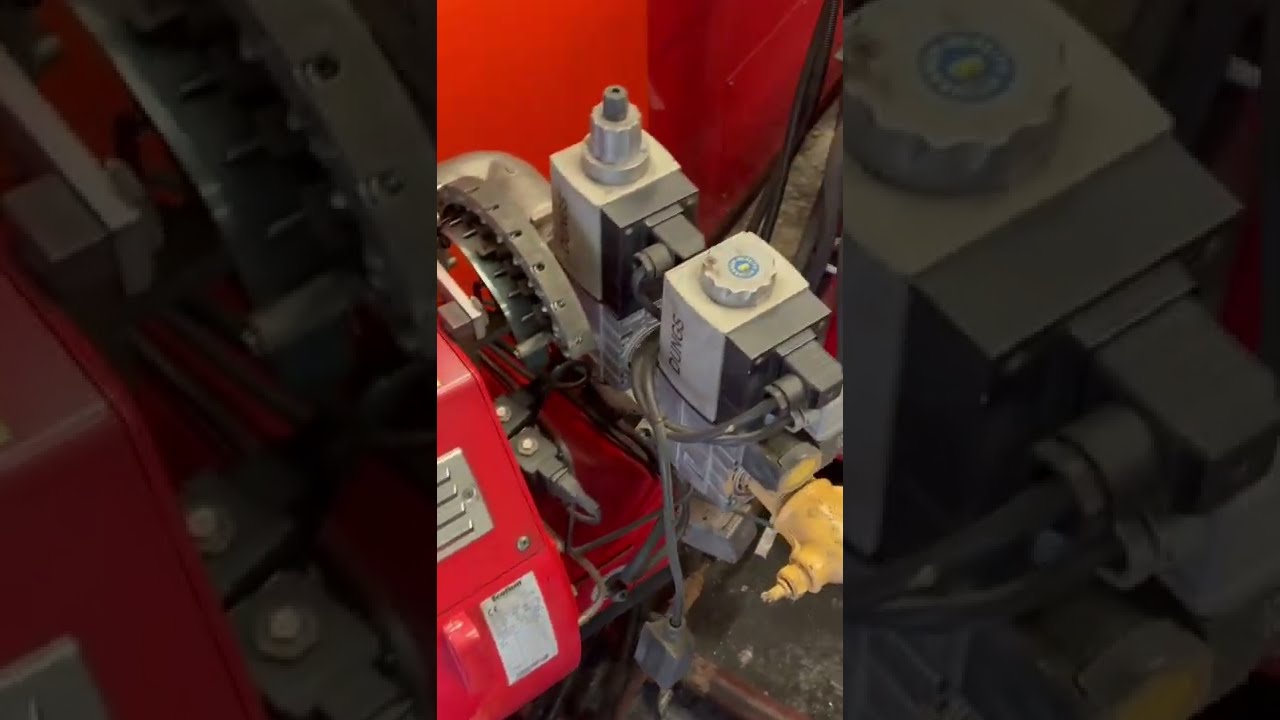
Additionally, checking modern technology plays a significant function in real-time analysis of stress adjustments. Using innovative sensors and information analytics allows you to maintain peak efficiency and lower the possibility of pressure-related failures. By understanding stress transients, you furnish yourself with the expertise needed to boost functional reliability and safety within gas networks. Ultimately, a positive approach to handling these characteristics guarantees a durable and efficient gas shipment system.
Root Causes Of Stress Transients
Pressure transients in gas networks usually arise from a mix of pipeline design concerns, insufficient operating procedures, and external ecological factors. You'll discover that each of these elements can greatly influence system efficiency and security. Comprehending these reasons is necessary for effective management and mitigation of pressure fluctuations.
Pipe Style Issues
When creating pipelines, a number of vital variables can lead to pressure transients, substantially influencing system efficiency. One vital element is the selection of pipeline materials, which must fulfill proper stress scores to endure operational tensions. Utilizing products with inadequate stress rankings can cause failing throughout short-term occasions.
Additionally, effective flow simulation throughout the design stage is essential. Precise modeling can assist identify prospective problems and predict exactly how stress modifications will behave under numerous problems. Abiding by recognized design requirements assurances that you integrate required safety elements, minimizing the risk of transient-related failures.
Installation methods play a substantial function too; incorrect setup can produce powerlessness in the pipeline, boosting vulnerability to stress fluctuations. Adhering to stringent maintenance methods is just as essential, as neglect can bring about wear and tear that worsens stress transients.
Finally, preserving regulatory conformity throughout the design and installment procedure is non-negotiable. Laws typically determine product requirements, stress ratings, and precaution, all focused on decreasing dangers related to pressure transients. By thinking about these factors, you can enhance the strength of your gas network against pressure-related problems.
Running Treatments Effect
Operating treatments significantly affect the occurrence and intensity of pressure transients within gas networks. When you abide by distinct operational protocols, you improve pressure administration and alleviate the threat of pressure changes. A crucial aspect is the rate of gas flow modifications; quick adjustments can activate considerable transients. If your methods allow for steady ramping up or down of circulation prices, you'll likely lessen these disruptions.
In addition, pressure law methods play a necessary role. If you're not regularly adjusting stress control valves or fall short to react promptly to pressure adjustments, it can result in instability. This instability commonly leads to pressure spikes or declines, negatively impacting system integrity.
Training employees on these functional procedures is very important. Knowledgeable personnel can perform pressure management techniques effectively, identifying when to apply restorative steps. Normal reviews and updates of these treatments guarantee they continue to be pertinent and reliable in existing operational contexts.
Essentially, by improving your operating procedures and stressing positive pressure management strategies, you can substantially decrease the incidence and effect boiler repair dartford of pressure transients, ultimately guarding the performance and safety of your gas network.
External Environmental Variables
Exterior ecological variables can considerably add to press transients in gas networks. Weather condition influences, such as sudden temperature variations, can bring about quick changes in gas thickness, impacting pressure stability. Seasonal variations often worsen these results; for instance, cold weather may see increased demand, while summer season can decrease pressure because of decreased usage.
Geological influences likewise play a role. Variants in the landscape can impact pipeline stability and circulation rates, resulting in pressure changes. Urban advancement commonly modifies land use, presenting new building that may interfere with existing gas infrastructure and its functional efficiency.
Moreover, climate adjustment presents long-lasting changes in climate patterns, which can unexpectedly affect gas need and supply dynamics. Governing considerations, such as more stringent ecological laws, could affect exactly how you manage your network, requiring adjustments to minimize pressure fluctuations.
Finally, greenery results have to not be ignored. Disordered plant life can block pipelines or add to erosion, affecting stress stability. By recognizing these external aspects, you can implement a lot more efficient techniques to take care of pressure transients in your gas network, making certain reliability and security.
Keeping an eye on Methods
To efficiently take care of stress transients in gas networks, using advanced tracking methods is essential. Begin by applying durable information acquisition systems that gather and analyze information from stress sensors distributed throughout the network. These sensors, outfitted with the most recent sensor modern technology, make it possible for real-time monitoring of stress changes, allowing you to identify abnormalities without delay.
Remote surveillance capacities are vital for overseeing gas networks effectively. By integrating these systems, you can access data from numerous areas without the demand for physical examinations. The collected data can after that go through extensive information analytics, changing it into actionable understandings that educate your decision-making processes.

Furthermore, leveraging predictive maintenance methods improves your capability to anticipate concerns prior to they rise. By examining fads in the information, you can determine prospective failures, enhancing your upkeep schedules and decreasing downtime. Make certain that your monitoring systems sustain smooth system integration, allowing for interoperability throughout different platforms and tools.

Mitigation Strategies
When it concerns mitigating stress transients in gas networks, applying targeted approaches can considerably lower the risk of system disruptions. You should focus on stress alleviation mechanisms that immediately address sudden modifications in pressure. Routine circulation policy is vital to ensure stability and keep gas top quality throughout the network.
Conducting comprehensive transient evaluation helps you recognize the characteristics of pressure changes, allowing for a lot more efficient threat analysis. By boosting compression performance, you can decrease power loss and enhance general system performance.
Developing robust upkeep methods is vital; routine checks can identify prospective weak points before they bring about considerable issues. Furthermore, investing in emergency situation actions assurances that your network can react properly to unexpected occasions.
Last but not least, participating in stakeholder cooperation cultivates a proactive approach to taking care of stress transients. By sharing understandings and strategies, you can jointly enhance system strength and contribute to a safer operational environment. Implementing these strategies will not only aid you manage stress transients but additionally strengthen the stability and dependability of your gas network over time.
Advanced Control Equipment
Implementing effective reduction approaches lays the groundwork for integrating sophisticated control systems in gas networks. These systems utilize predictive analytics to anticipate pressure transients, allowing you to take positive steps prior to concerns rise. By using adaptive controls, you can dynamically readjust system specifications in real-time, ensuring peak efficiency under varying conditions.
System integration is essential, as it enables inconsonant elements to interact flawlessly, boosting general network performance. Data visualization devices play an essential duty here, enabling you to translate intricate datasets promptly and make educated decisions. Formula optimization better refines your control techniques, making sure that your feedbacks are both timely and exact.
Utilizing comments mechanisms, you can continually keep an eye on system performance and readjust your controls based on actual information versus forecasted results. This repetitive process is rooted in control concept, which offers a robust structure for understanding and managing system dynamics. Reaction modeling permits you to simulate possible situations, helping you layout resilient systems with the ability of holding up against stress variations.
Instance Studies and Instances
In analyzing study, you'll reveal real-world applications of pressure short-term monitoring in gas networks. These instances not just highlight effective strategies however also reveal vital lessons learned from failings, stressing the importance of durable design and aggressive steps. By analyzing these situations, you can improve your understanding of effective stress administration techniques.
Real-World Applications
Over the previous decade, numerous gas network drivers have actually efficiently taken on stress transients through innovative strategies and innovations. For instance, a leading driver applied innovative data analytics to monitor real-time pressure changes, allowing for prompt danger evaluation and regulative compliance with industry standards. This positive approach not only reduced disruptions but likewise improved stakeholder involvement by making sure transparency in operations.
Another case included innovation assimilation, where automated pressure control systems were mounted to maximize system performance. By utilizing performance benchmarking, the operator identified areas for improvement and well-known targeted training programs for personnel. These training initiatives boosted emergency situation action methods, ensuring teams were well-prepared for possible incidents.
Furthermore, one operator took on a considerable system optimization technique that included normal audits and stakeholder assessments. This method helped with continuous adjustments to operational methods, aligning them with progressing industry criteria and governing demands.
Ultimately, these real-world applications exhibit just how gas network drivers can effectively handle stress transients, making certain safety, effectiveness, and conformity while cultivating a society of continuous renovation. By leveraging data analytics and integrating modern technology, you can achieve robust network efficiency and integrity.
Lessons Learned From Failings
Comprehending the important lessons from past failings in gas network procedures can considerably boost future methods. Conducting complete failing analysis aids identify origin, permitting better danger assessment in similar scenarios. For example, incidents often originate from poor maintenance techniques, highlighting the requirement for positive approaches to reinforce system durability.
Improving incident coverage devices assurances that stakeholders are without delay educated concerning potential risks. Effective stakeholder communication is necessary; when all celebrations are straightened, feedback techniques come to be a lot more efficient. Executing durable training programs equips your team with the essential skills to deal with emergencies, improving overall emergency preparedness.
Moreover, incorporating innovative technology can substantially reduce the chance of failures. By leveraging predictive analytics and real-time surveillance, you can foresee prospective concerns before they escalate. Furthermore, staying updated with regulatory conformity not just reduces risks but additionally cultivates trust amongst stakeholders.
Regularly Asked Inquiries
Just How Do Stress Transients Affect Gas Top Quality and Safety?
Pressure transients can significantly affect gas quality and security. As you experience pressure changes, the gas structure may alter, possibly resulting in the introduction of contaminants or variations in the calorific value. These adjustments can jeopardize the safety of the gas supply, presenting threats to both equipment and end-users. Surveillance and handling these transients assurances that gas quality remains consistent, guarding the general integrity of the gas network and its customers.
What Are the Regulatory Requirements for Managing Pressure Transients?
You require to recognize the regulatory criteria regulating pressure transients to guarantee compliance. Familiarize on your own with safety methods laid out by agencies like the Department of Transport and the American Culture of Mechanical Engineers. These policies determine optimal pressure restrictions, keeping track of methods, and reaction steps during short-term events. Complying with these requirements not only safeguards facilities however likewise shields public safety and security. Make certain your procedures align with these needs for peak efficiency and legal compliance.
Can Pressure Transients Damages Facilities or Tools?
Yes, pressure transients can undoubtedly harm infrastructure or tools. These pressure changes produce anxiety on pipes and fittings, possibly leading to failures or leaks. If you're not addressing these concerns, you risk endangering framework resilience. Regular monitoring and upkeep are essential to alleviate these risks, making certain that your systems can endure unanticipated stress adjustments. By proactively managing these transients, you can preserve the integrity and durability of your equipment and infrastructure.
How Often Should Pressure Short-term Evaluations Be Performed?
You need to perform pressure transient assessments routinely to guarantee system stability. The frequency analysis can vary based on framework age and use patterns, however quarterly assessments are frequently suggested. Utilize sophisticated assessment techniques to monitor pressure fluctuations efficiently. By developing a regular schedule, you can recognize possible issues early, reducing the danger of damages and keeping functional performance. Constantly adjust the regularity based on operational modifications or after significant upkeep activities.
What Training Is Required for Staff Handling Pressure Transients?
To effectively handle pressure transients, your staff needs specialized training in stress dimension and transient analysis. They should comprehend the concepts of fluid characteristics, stress degeneration, and surge evaluation. Training needs to consist of hands-on experience with monitoring devices and software application for data analysis. It's necessary they can identify prospective threats and respond promptly to minimize problems. Normal refresher courses will aid keep their experience and assurance they're current with best methods in the area.
Summary
In taking care of pressure transients in gas networks, you should prioritize a proactive approach that integrates durable style, real-time monitoring, and progressed control systems. By recognizing the causes and utilizing efficient reduction methods, you can greatly minimize the impact of stress changes. Normal training and anticipating analytics even more improve your ability to maintain system honesty and operational effectiveness. Eventually, your commitment to these practices guarantees conformity with guidelines and promotes a resistant gas network.
❧